



Investment casting allows shapes that are hard to machine or forge. A few design rules decide whether those shapes cast without shrinkage, distortion or cleaning problems. These are the points we check in a drawing review; the values are typical starting points, not limits.
| Feature | Typical guideline | Why |
|---|---|---|
| Wall thickness | Typically about 1.5–2 mm minimum for small steel parts in silica sol, more over long flow lengths; keep walls as uniform as possible | Even solidification; thin walls may not fill |
| Section changes | Gradual transitions; avoid isolated heavy sections | Heavy sections cause shrinkage porosity |
| Fillets and radii | Inside radii typically at least about 1 mm, larger where heavy sections meet | Better metal flow, less hot tearing |
| Holes | Cast through holes typically from about 3 mm diameter; smaller holes are drilled | Slurry and sand must fill and dry inside the hole |
| Blind holes and slots | Depth typically up to about 1–2 times the width; through holes can be longer | Shell must be built and cleaned inside them |
| Draft | Often none needed; about 0.5–1° on deep faces helps the wax release | Wax patterns release from the die more easily than metal from a mold |
| Lettering and logos | Raised lettering casts well | Fine detail is a strength of the process |
| Machining allowance | Small allowance only on machined faces | Saves metal and machining time |
Designing for solidification
Metal shrinks as it solidifies. A heavy boss fed through a thin wall solidifies last and draws shrinkage porosity. Arrange sections so they get thicker towards the gate, or core out heavy bosses, so the gate can feed them.
Gating and contact points
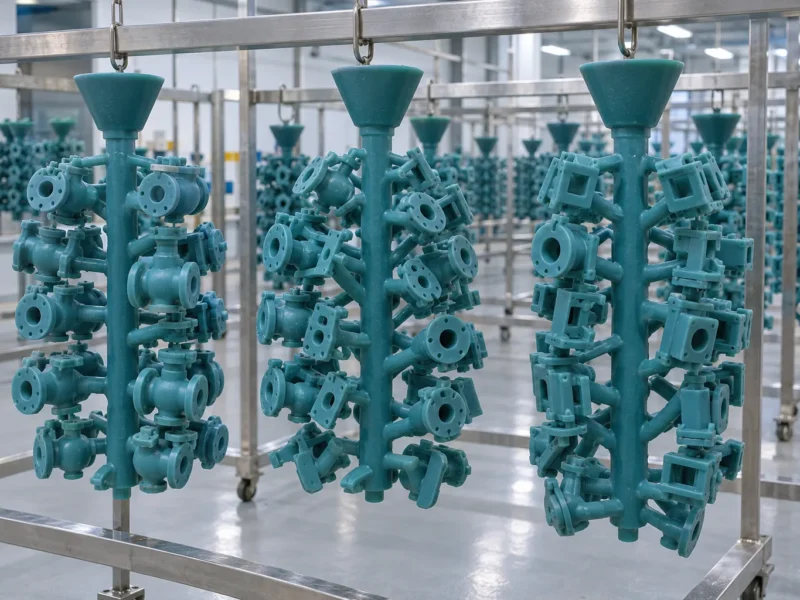
Each casting is attached to the tree by one or more gates, which leave a small stub after cut-off and grinding. Agree gate locations with the foundry, away from cosmetic and functional surfaces.
Combining parts
An assembly of welded or bolted parts can often become one investment casting, removing joints and assembly steps. Ask for a review if you have a fabricated part in volume.
See also investment casting tolerances and what drives investment casting cost.
Frequently asked questions
Do investment castings need draft angles?
Often none, because the wax pattern is released from the die and the shell is broken away from the casting. Deep pockets and large flat faces release better with about 0.5–1° of draft.
What is the thinnest wall that can be cast?
It depends on the alloy, the flow length and the part size. Small silica sol steel castings typically have walls down to about 1.5–2 mm, and thinner over short distances.
Have a casting to discuss? Send your drawing or 3D file, the alloy grade and the annual volume through our inquiry form. We review castability and reply with a quotation.